
Key Takeaways
- An outdated website can hurt your search rankings, frustrate visitors, and cost your business potential customers before they ever contact you.
- Today’s websites need to be mobile-friendly, fast, secure, and optimized for both search engines and AI-driven search tools to stay competitive online.
- If your website is slow, difficult to navigate, or not generating leads, it may be time to consider a redesign built around modern SEO and user experience best practices.
- Businesses that invest in modern, SEO-friendly websites are better positioned to improve online visibility, attract qualified traffic, and convert visitors into customers.
- Your website should do more than just exist online. It should actively support your marketing goals, strengthen your brand, and help customers find the information they need quickly.
Most people today get their information and find businesses through search engines and AI. If your website is not reaching your target audience or is not built to convert visitors into customers, it might need more than just a few tweaks.
So, how do you know when it’s time for a new website? Here are 10 signs to look out for:
1. Your Website Is Not Mobile Friendly
As of 2026, over half of all web traffic comes from mobile browsing. That means more than half of your potential customers are researching and making buying decisions on their phones. People expect websites to work just as well on their phones as on desktops. If it doesn’t deliver that experience, visitors won’t hesitate to leave your site and find one that does.
How well your site performs on mobile also impacts your Google search ranking. Google’s mobile-first indexing prioritizes mobile-friendly websites, meaning sites that don’t work well on mobile get pushed down in search results. If your site isn’t optimized for mobile, you’re making it harder for the right people to find you online.

2. Outdated Website Design
You know an outdated website when you see one. Cluttered layouts, hard-to-read text, flash animations, and stock photos that look like they’re from 2005 are all signs that you are not keeping up with industry trends or investing in your company. An outdated design can subconsciously undermine your brand’s credibility and make visitors question whether your business is still active or trustworthy.
Modern websites are clean and simple, navigation is clear and easy to follow, and images are high-quality and relevant. If your website doesn’t match the standard visitors are used to seeing today, they’ll likely move on without giving your business a second thought.
3. Your Website Load Speed is Slow
Slow load times not only frustrate visitors but also negatively impact your SEO, increase bounce rates, hurt conversions, and reflect poorly on your brand. Investing in a faster website can make a real difference to your performance and growth. In fact, Walmart experienced a 2% increase in conversions for every 1-second improvement in page load time.
Common factors contributing to slow load speed include outdated code, unoptimized images, bloated plugins, and outdated hosting infrastructure. If your website has these issues, it might be time to consider a complete rebuild rather than a quick fix.
4. Poor SEO Performance
If your website is buried on page two or three of Google search results, or you are seeing a consistent drop in organic traffic and search rankings, chances are your site needs some serious SEO attention. Without it, you are basically invisible to your potential customers.
Here are some ways to make your website more SEO friendly:
- Create relevant content that answers user queries
- Use relevant keywords in title tags, meta descriptions, and headers
- Update your content regularly to maintain relevance
- Add alt text to images to improve accessibility
- Optimize for fast loading speeds and mobile usability
5. Low Conversion Rates
Your website might be getting decent traffic, but if your visitors aren’t taking action, something is off. Whether your goal is to generate leads, make sales, or build an email list, conversions are ultimately what turn website visitors into actual customers.
Things like unclear calls-to-action (CTA), a cluttered layout, slow load times, no reviews or testimonials, and a poor mobile experience can all contribute to low engagement and weak conversions. If your website has been live for a while and your conversion rates haven’t improved despite driving traffic, it’s worth considering whether it’s actually working for you.
6. Security and Technical Issues
Nothing drives visitors away faster than a browser warning that says “This site is not secure”. Most people won’t stick around to find out whether it’s safe. Outdated websites are particularly vulnerable to security threats. And when a website gets compromised, the consequences go beyond just your business. It can also put your visitors’ personal data at risk.
Some common security and technical issues to watch out for:
- An expired or missing SSL certificate
- Outdated CMS, themes, or plugins that are no longer supported
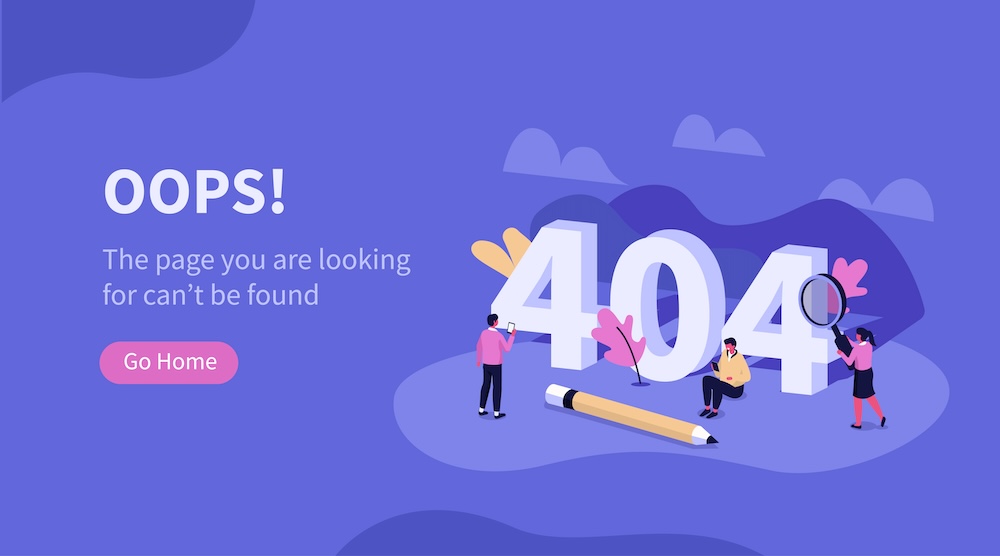
- Frequent error messages, broken pages, or 404 errors
- A history of spam, malware, or being blacklisted by Google
7. Your Business Has Outgrown Your Website
Your website worked perfectly when you had 5 services, but with 10 or more, it may not hold up as well. More customers, more traffic, more transactions, and more content can quickly push an older website beyond what it was originally built to handle. Over time, websites can become disorganized and hard to navigate, leading to poor user experiences and frustrated visitors.
If your website can’t handle increased traffic without slowing down, struggles to support the volume of transactions or bookings, or makes it difficult to add new features, it’s a sign that it’s reached its capacity limits. A website that cannot keep up with your growth isn’t just an inconvenience. It’s costing you customers and revenue.
8. Competitors Are Outperforming You Online
Take a moment and look up your top competitors’ websites. How do they compare to yours? In the eyes of a potential customer comparing their options, a better-looking, better-functioning website can be the deciding factor. Ask yourself these questions:
- Does your website load as fast as your competitors’?
- Is your website as easy to navigate and visually appealing as theirs?
- Is their website more up to date with fresh content and recent work?
- Are they ranking higher than you in Google search results?
If you answered yes to most of these, it’s a sign your website needs an upgrade. You don’t need to copy your competitors, but you do need to keep up.
9. Difficult to Update and Manage Content
You should be able to manage your website without needing a developer every single time you want to make a change. If updating a service page, adding a blog post, or swapping out an image feels more complicated than it should be, your website was not built with usability in mind.
User-friendly Content Management Systems (CMSs) like WordPress, Drupal, or Squarespace let you make updates quickly and easily without technical knowledge. If you find yourself avoiding changes because it’s more trouble than it’s worth, or constantly relying on a developer for simple edits, it might be time to rebuild on a platform that puts you back in control.
10. Your Website Doesn’t Reflect Your Current Brand
If a potential customer follows you on social media, loves your content, and then visits your website only to find that it looks and feels completely different, that disconnect can make your business appear unorganized or unprofessional. Your website should feel like a natural extension of your brand, not a completely different entity.
If your branding has shifted, whether it’s your tone, messaging, or overall identity, and your website does not reflect that, you are confusing your target market. This can lead to lost conversions and poor retention. Additionally, mismatched visuals and outdated messaging can disconnect your brand from your audience. A website redesign that brings everything back into alignment is well worth the investment.
Now That You Know, What’s Next?
If several of these signs sound familiar, the good news is that recognizing the problem is already the first step. Here’s what to think about before you get started:
Define Your Goals
Be clear on what you want your website to achieve. Are you looking to generate more leads, improve your search engine rankings, or increase online sales? Having clear goals from the start ensures your new website is built with purpose, not just aesthetics.
Choose the Right Platform
The right platform depends on your business needs, technical comfort level, and long-term goals. Make sure your platform is scalable, easy to manage, and built to grow with your business.
Analyze Your Competitors’ Website
Take a look at what your competitors are doing well online before you start building. Understanding where they stand helps you identify opportunities to differentiate your business and build a website that stands out in your market.
Build With SEO in Mind
SEO should be part of your website strategy from the very beginning. Optimizing for AI search tools is becoming just as important as traditional SEO, so building with the future in mind gives your business a long-term competitive edge.
Create a Site That Speaks to Your Target Audience
Focus on addressing the pain points of your target audience, answering their questions, and clearly communicating how your business can help them. A website that connects with the right people and compels them to take action is what separates a good website from a great one.
A great website doesn’t happen by accident. It takes strategy, expertise, and the right team. Reach out to us. We are here to help you figure out the best path forward for your business.
About IN2communications
IN2communications is a Managed Marketing Agency specializing in full-funnel marketing strategies, including website development, content creation, lead generation, and ROI analytics.